Blog / Bob-Boyd Ford Service

Signs You Need a Brake Repair at Your Ford Dealer

Brake servicing is an important part of your Ford maintenance. Well-maintained brakes will respond quickly and bring your car to a stop almost immediately. Worn or damaged brake components increase the chances of an accident when you're driving, as your brakes won't respond as they should. As your Ford dealer, we'd like you to know some signs that you need to visit us for a brake repair.

Soft Brake Pedal

The braking system depends on high pressure to work effectively. Pressure is essential, as the braking system must bring the weight of your car to a complete stop when it's moving at speed. When you step on the brake pedal, you'll feel resistance, which grows as you exert more pressure. If you step on the pedal and feel very little resistance, there's a problem with your brakes. The lack of resistance could be caused by an air bubble in the brake hose, or it could be due to a brake fluid leak. In either case, the lack of pressure means your braking system will respond more slowly and less effectively. This can easily be the difference between a near miss and a collision. We'll examine your braking system and fix the problem.

Screeching Noises

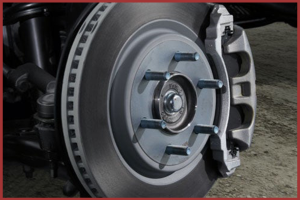
If you hear high-pitched screeching noises when you brake, the most likely cause is worn brake pads. The brake pads fit into the calipers and generate friction against the wheel rotors when the calipers are forced against them when you brake. Each pad has a friction material covering that slowly wears off. When most of this material has worn off, your pads are due for replacement. When the friction material on a pad has worn down, a metal spike inside the pad becomes visible. The spike will scratch against the rotor surface when you brake and produce a screeching sound. The spike doesn't damage the rotor, but it does warn you that it's time to get new pads. We can quickly replace any damaged pads, and the noises will stop.

Pulling to One Side

When you brake, all four wheels should come to a stop at the same time. If you brake and your car pulls to one side, this is a sign of trouble with your brakes. Your car will turn as one of the brakes fails to engage, and its wheel continues to move until it's brought to a stop by the other three wheels. The most common reason for a brake failure to engage is either a damaged caliper or a blockage in the hose leading to the affected caliper. Our technicians will examine the caliper and fix the problem. If you have a problem with your brakes, call our service department ASAP at Bob-Boyd Ford.

Posted in:

Related Posts

How Long Has It Been Since Your Last Oil Change? Your Ford Dealer Wants to Know!

Your engine oil is the lifeblood of your Ford, and failing to change it regularly can lead to a cascade of problems that can cost you and your beloved vehicle dearly in the long run. Here are some of the issues that we here at your local Ford dealer have seen come up in vehicles that don't get a regular oil change. Engine Wear and Tear One of the primary consequences of not changing engine oil regularly is increased engine wear and tear. Oil lubricates the engine's moving parts, reducing friction and preventing premature wear. Over time, dirty and depleted oil loses its lubricating properties, leading to increased friction, heat, and ultimately, engine damage. more Reduced Fuel Efficiency Dirty oil can also reduce your Ford's fuel efficiency. As the oil becomes contaminated with impurities and sludge, it becomes thicker and less effective at lubricating the engine. This increased friction results in a higher demand for energy, leading to decreased miles per gallon and higher fuel costs. Overheating Failure to change the oil regularly can also cause your Ford's engine to overheat. As the oil loses its ability to dissipate heat, the engine's temperature can rise to dangerous levels, potentially causing severe damage. Overheating can lead to blown gaskets, warped cylinders, and even engine seizure, all of which are costly to repair. Decreased Engine Performance A well-maintained engine runs smoothly and delivers optimal performance. When oil is neglected, carbon deposits can build up on the engine's components, reducing its efficiency. This can result in sluggish acceleration, reduced power output, and an overall decrease in your Ford's performance. Costly Repairs Ignoring changing your engine's oil regularly can lead to a host of expensive repairs. Engine damage, transmission issues, and even a complete engine replacement can become necessary when oil-related problems are left unaddressed. These repairs can easily run into thousands of dollars. Shortened Engine Lifespan The cumulative effect of all these issues is a shortened engine lifespan. A well-maintained Ford can last for many years, but neglecting oil changes can significantly reduce its longevity. Replacing an engine prematurely simply from not changing out the oil regularly is a costly and avoidable situation. Voided Warranty If your Ford is still under warranty, failure to adhere to the manufacturer's recommended maintenance schedule, which includes regularly changing out the engine oil, could void your warranty. This means you would be responsible for all repair costs, even if the issue could have been covered by the warranty. For all your Ford maintenance needs, including changing out that engine oil, contact Bob-Boyd Ford today. Our team of skilled technicians here in Lancaster, OH, is ready to keep your Ford in top condition, ensuring you enjoy years of trouble-free driving.

A Ford technician checking a car battery near Lancaster, OH.

5 Signs Your Ford Needs a New Car Battery

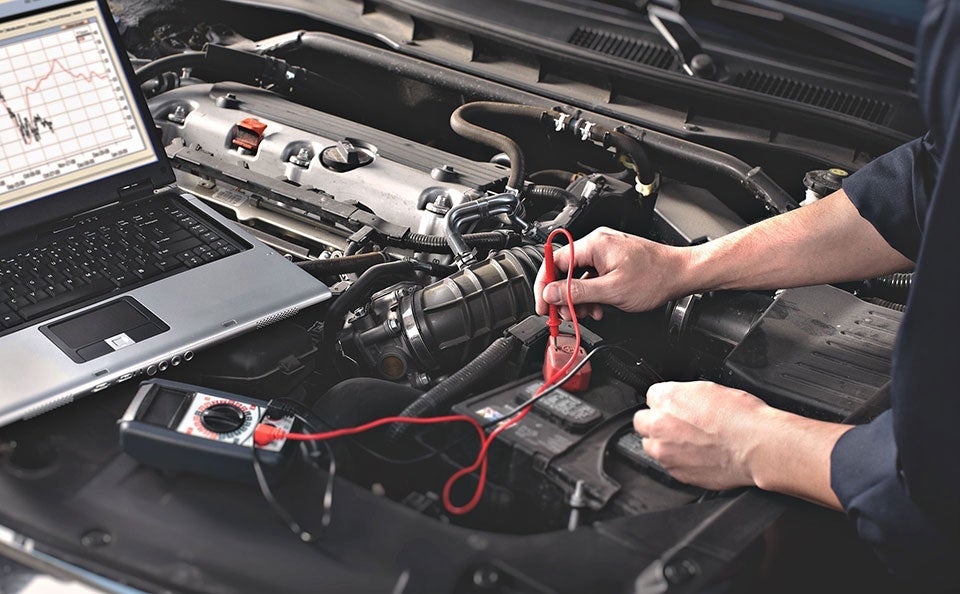
Is your vehicle having a little difficulty starting? Does it take a couple of tries to get the engine to engage? This may be a sign that your battery needs to be replaced. Batteries tend to die at the most inconvenient times, which is why it's a good idea to replace them before you're stranded. If you know what to look for, you can usually spot early signs that it's time for a new car battery from your trusted Ford Service Center. 1. Your Engine Is Slow to Start A slow-starting engine is one of the most obvious signs that your battery is declining. The battery provides the power to start your engine and as the strength of your battery declines the vehicle may become more difficult to start. You may find yourself having to start the engine several times or the engine may seem to struggle to catch. If you hear clicking when trying to start the car, that's another indication of battery trouble. more 2. You Frequently Have to Jump the Vehicle It's common for a vehicle to occasionally need to be jump-started. This happens most often after you have inadvertently done something that overly taxes the battery, like leaving the headlights on while the car was not in operation. However, if you regularly need to jump-start your vehicle and your battery is not holding an adequate charge then it's time to replace it. 3. Your Electrical System Seems Weaker The performance of the various electrical components on your vehicle may start to suffer if your battery is weakening. Your headlights, interior lights, radio, and power windows are all powered by the battery and may slow if the battery is near the end of its life. 4. Your Battery Appears Corroded It's a good idea to occasionally pop the trunk and visually inspect the battery. Modest amounts of corrosion on the metal parts of your battery can usually be easily wiped away, but if your battery has experienced significant corrosion, it may need to be replaced. A battery that appears swollen or misshapen may be at risk of rupture and should also be replaced. 5. Your Battery Is Old Batteries typically last three to five years. If your battery is much older than that, you'll want to keep an eye on it and be prepared to replace it. Our service department can assess the voltage of your battery and let you know when it's time to schedule a replacement. Replacing your battery before it dies will save you a lot of headaches and is the safest option for you and your vehicle. When it's time to schedule your next service appointment, call Bob-Boyd Ford.

A bokeh affect of headlights through a blurry car window near Lancaster, OH.

Does Your Ford Need New Headlights?

Navigating the roads in your trusty Ford demands more than just skill and attention, it requires clear visibility. That's where your headlights come into play. Just like any other part of your car, they can wear out over time. Here's how to tell if it's time to schedule Ford Service and replace your headlights. Dimming or Fading Lights It's very common for older headlights to start dimming and putting out decreased light. If you find yourself squinting to see the road at night or if your lights just don't do the job as well as they used to, it is a sign that they're losing their power. more Flickering Lights Headlights that flicker or turn on and off may seem annoying, but they can pose a real safety hazard. Flickering lights may warn of electrical problems within your car or just aging bulbs, but there's always the chance that one time your bulbs will flick off and then not turn on again. If your lights are flickering, take them in to be replaced before they can leave you in the dark. Cloudy or Yellowed Lenses Over time, the plastic lenses covering your headlights can become cloudy or yellow from exposure to the sun and harsh weather. This can not only be unsightly but also reduces the effectiveness of your headlights. Sometimes this issue can be resolved with simple headlight restoration, but if the damage is too severe, replacing the entire headlight unit might be the best course of action. Visible Damage Physical damage to your headlights like cracks, chips, or moisture leaking into the lens is a sure sign that they need to be replaced. Water in the headlights can cause further damage, so cracked and broken headlights should be replaced right away. Constantly Replacing Bulbs If you find yourself replacing headlight bulbs more often than you feel you should, this could be a sign of a deeper issue. Frequent burnouts can indicate problems with the headlight assembly or the electrical system of your Ford, so if those bulbs keep burning out, you should have a professional take a look. Swing By Your Ford Dealer for New Headlights When it's time to replace your Ford's headlights, your local dealership is the ideal place to go. Not only do we have the specific bulbs or headlight units your model requires, but we also have the expertise to ensure they're installed correctly. Plus, a visit to the dealership is a great opportunity to have other parts of your car checked for safety and performance. Maintaining your Ford's headlights does more than keep your car looking its best, it also keeps you safer on the road. If you notice any signs your headlights need attention, don't delay in scheduling a checkup and replacing them if necessary. Visit Bob-Boyd Ford today and get those headlights checked before they can leave you stranded in the dark.