
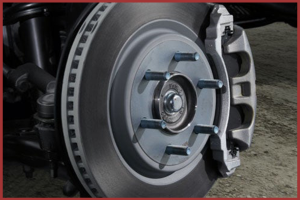
Brake servicing is an important part of your Ford maintenance. Well-maintained brakes will respond quickly and bring your car to a stop almost immediately. Worn or damaged brake components increase the chances of an accident when you're driving, as your brakes won't respond as they should. As your Ford dealer, we'd like you to know some signs that you need to visit us for a brake repair. Soft Brake Pedal The braking system depends on high pressure to work effectively. Pressure is essential, as the braking system must bring the weight of your car to a complete stop when it's moving at speed. When you step on the brake pedal, you'll feel resistance, which grows as you exert more pressure. If you step on the pedal and feel very little resistance, there's a problem with your brakes. The lack of resistance could be caused by an air bubble in the brake hose, or it could be due to a brake fluid leak. In either case, the lack of pressure means your braking system will respond more slowly and less effectively. This can easily be the difference between a near miss and a collision. We'll examine your braking system and fix the problem. Screeching Noises If you hear high-pitched screeching noises when you brake, the most likely cause is worn brake pads. The brake pads fit into the calipers and generate friction against the wheel rotors when the calipers are forced against them when you brake. Each pad has a friction material covering that slowly wears off. When most of this material has worn off, your pads are due for replacement. When the friction material on a pad has worn down, a metal spike inside the pad becomes visible. The spike will scratch against the rotor surface when you brake and produce a screeching sound. The spike doesn't damage the rotor, but it does warn you that it's time to get new pads. We can quickly replace any damaged pads, and the noises will stop. Pulling to One Side When you brake, all four wheels should come to a stop at the same time. If you brake and your car pulls to one side, this is a sign of trouble with your brakes. Your car will turn as one of the brakes fails to engage, and its wheel continues to move until it's brought to a stop by the other three wheels. The most common reason for a brake failure to engage is either a damaged caliper or a blockage in the hose leading to the affected caliper. Our technicians will examine the caliper and fix the problem. If you have a problem with your brakes, call our service department ASAP at Bob-Boyd Ford.
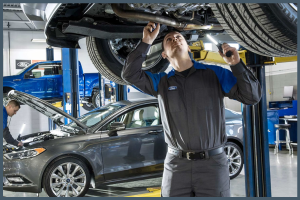
How Long Has It Been Since Your Last Oil Change? Your Ford Dealer Wants to Know!
Your engine oil is the lifeblood of your Ford, and failing to change it regularly can lead to a cascade of problems that can cost you and your beloved vehicle dearly in the long run. Here are some of the issues that we here at your local Ford dealer have seen come up in vehicles that don't get a regular oil change. Engine Wear and Tear One of the primary consequences of not changing engine oil regularly is increased engine wear and tear. Oil lubricates the engine's moving parts, reducing friction and preventing premature wear. Over time, dirty and depleted oil loses its lubricating properties, leading to increased friction, heat, and ultimately, engine damage. Reduced Fuel Efficiency Dirty oil can also reduce your Ford's fuel efficiency. As the oil becomes contaminated with impurities and sludge, it becomes thicker and less effective at lubricating the engine. This increased friction results in a higher demand for energy, leading to decreased miles per gallon and higher fuel costs. Overheating Failure to change the oil regularly can also cause your Ford's engine to overheat. As the oil loses its ability to dissipate heat, the engine's temperature can rise to dangerous levels, potentially causing severe damage. Overheating can lead to blown gaskets, warped cylinders, and even engine seizure, all of which are costly to repair. Decreased Engine Performance A well-maintained engine runs smoothly and delivers optimal performance. When oil is neglected, carbon deposits can build up on the engine's components, reducing its efficiency. This can result in sluggish acceleration, reduced power output, and an overall decrease in your Ford's performance. Costly Repairs Ignoring changing your engine's oil regularly can lead to a host of expensive repairs. Engine damage, transmission issues, and even a complete engine replacement can become necessary when oil-related problems are left unaddressed. These repairs can easily run into thousands of dollars. Shortened Engine Lifespan The cumulative effect of all these issues is a shortened engine lifespan. A well-maintained Ford can last for many years, but neglecting oil changes can significantly reduce its longevity. Replacing an engine prematurely simply from not changing out the oil regularly is a costly and avoidable situation. Voided Warranty If your Ford is still under warranty, failure to adhere to the manufacturer's recommended maintenance schedule, which includes regularly changing out the engine oil, could void your warranty. This means you would be responsible for all repair costs, even if the issue could have been covered by the warranty. For all your Ford maintenance needs, including changing out that engine oil, contact Bob-Boyd Ford today. Our team of skilled technicians here in Lancaster, OH, is ready to keep your Ford in top condition, ensuring you enjoy years of trouble-free driving.